

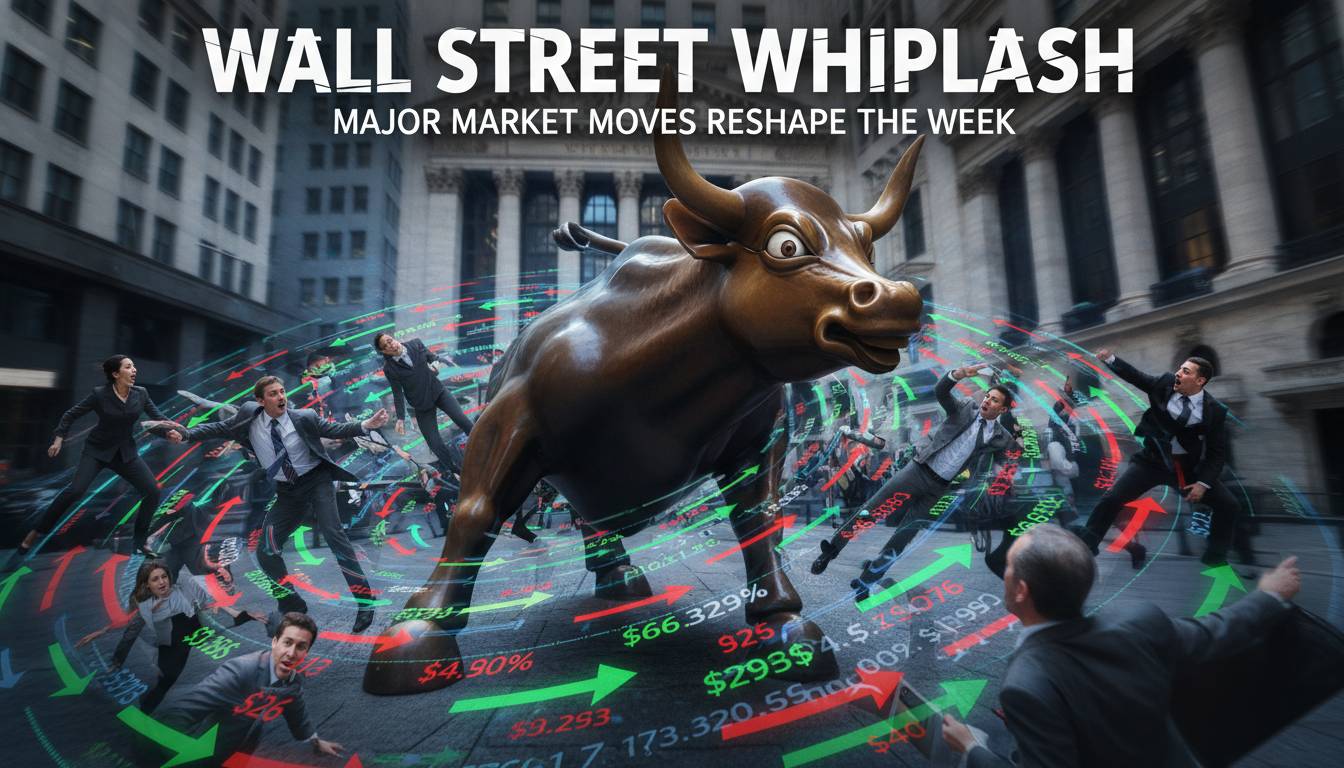
Wall Street whiplash isn’t just a phrase—it’s exactly what happened today: markets swung sharply, and those moves are already reshaping how the rest of this week will look. Stocks jumped, bonds bounced, and volatility spiked—all in one volatile morning. Let’s dig into what happened, why it matters, and how investors should position themselves now.
Market Moves That Stunned Investors
Major Swings Across Asset Classes
Equities surged hard in the pre-market, only to give back some gains by midday. Tech names led the charge, then lagged as investors digested fresh inflation data. Meanwhile, bond yields rose notably, signaling shifting expectations about growth and policy. That combination? Powerful, unpredictable, and unsettling.
What Sent That Sentiment Twirling?
This rollercoaster started when CPI numbers came in a bit hotter than expected. Interest rate concerns flared, but relief came fast when Fed commentary sounded less hawkish. It’s like a tug-of-war between “growth will slow” and “Fed stands ready.”
Why This Week Can Be a Game-Changer
Volatility Holds Clues
A spike in the VIX shows markets are jittery—large moves mean large uncertainty. Volatility isn’t bad per se, but it changes how assets trade, how strategies get deployed, and how risk is measured. Traders get cautious; longer-term investors may yawn but reposition quietly.
Policy Signals Matter More Than Ever
Chair Powell’s remarks yesterday were defensive but reassuring. Treasury yields rattled, then rebounded—investors are trying to guess his next move. That guessing game influences everything from mortgage rates to corporate financing costs.
Corporate Earnings Hang in the Balance
This week’s earnings schedule just got a lot more charged. Big names report soon, and they’ll be judged not just on results, but on guidance. In markets like this, even minor revisions can cause outsized reactions.
How Investors Can Adapt Strategically
Short-Term Traders: Stay Nimble
Traders should tighten risk controls. Using tight stop-loss orders and scaling positions could trim downside risk. And don’t ignore options—they’re a great tool for managing spikes in volatility.
Long-Term Investors: Seize Opportunities—but Cautiously
Choppy markets throw up bargains. Quality names trading off can offer value. Yet it’s wise to pick carefully and not overcommit. A phased approach—dollar-cost averaging especially—works well.
Fixed-Income: Watch Duration
With bond yields moving, duration risk matters. Short-duration or floating-rate strategies might shield some impact. Conversely, long-dated bonds could face more pain if yields keep climbing.
A Real-World Scenario: Tech Flash Bounce
Consider a tech stock that opens with a 5% gain on strong guidance, then surrenders half of it later in the session. That swing shows how sensitive the market is to sentiment shifts. A trader caught flat-footed in such a move could swing from a profit to a loss in minutes. It’s unpredictable, human, and a bit messy—just like markets.
Experts Weigh In
“Volatility isn’t just risk—it’s opportunity, if you manage it with discipline.”
This insight reminds us how mindset matters. Risk isn’t intrinsically evil. With structure and awareness, volatility becomes a tool, not just noise.
What Comes Next This Week
- Corporate earnings: Standby for big names to set the tone. Shortfalls or cautious guidance may amplify swings.
- Economic data: Any surprises—on jobs, consumer sentiment, or manufacturing—could shift direction again.
- Fed speak: A surprise dovish tilt would calm markets; renewed hawkishness could provoke another shakeout.
Tips to Keep Your Cool
- Stick to your plan—but be ready to tweak.
- Avoid chasing moves. That’s a quick path to regret.
- Use hedges: options, low-volatility ETFs, cash buffer.
- Stay informed. Today’s twist could signal tomorrow’s trend.
A Quick Recap Before You Go
- Today delivered dramatic moves as markets reacted to inflation and Fed signals.
- Volatility rose, creating risks but also opportunities for nimble players.
- Policy signals matter—even small cues can swing sentiment.
- Earnings and data this week could intensify the drama.
- Investors must balance flexibility with discipline.
FAQs
What exactly caused today’s market volatility?
Hotter-than-expected inflation data briefly spurred fears of tighter Fed policy. When Fed comments softened, sentiment swung reversed, fueling choppy trading.
How should long-term investors respond?
Stay patient. Focus on high-quality names, consider averaging into positions, and resist overexposure during erratic moves.
Are bond yields a concern right now?
Yes. Rising yields impact growth and interest-rate-sensitive stocks. Consider reducing duration or using adjustable-rate instruments in your bond portfolio.
Can this volatility continue through the week?
Very much so. Earnings, economic reports, and Fed cues could all drive further swings. Volatility might persist or even increase before week’s end.
Should traders use options during this turbulence?
Absolutely. Options offer a strategic way to hedge moves, manage risk, and capitalize on volatility—if used smartly.
Is this market stress a red flag or a buying opportunity?
Both. Volatility can signal stress and fear, but also create openings. Sound strategy, not knee-jerk reactions, helps separate noise from opportunity.
Markets can be messy. But with clarity, structure, and cautious agility, investors can navigate whiplash, not get smashed by it.














Leave a comment