

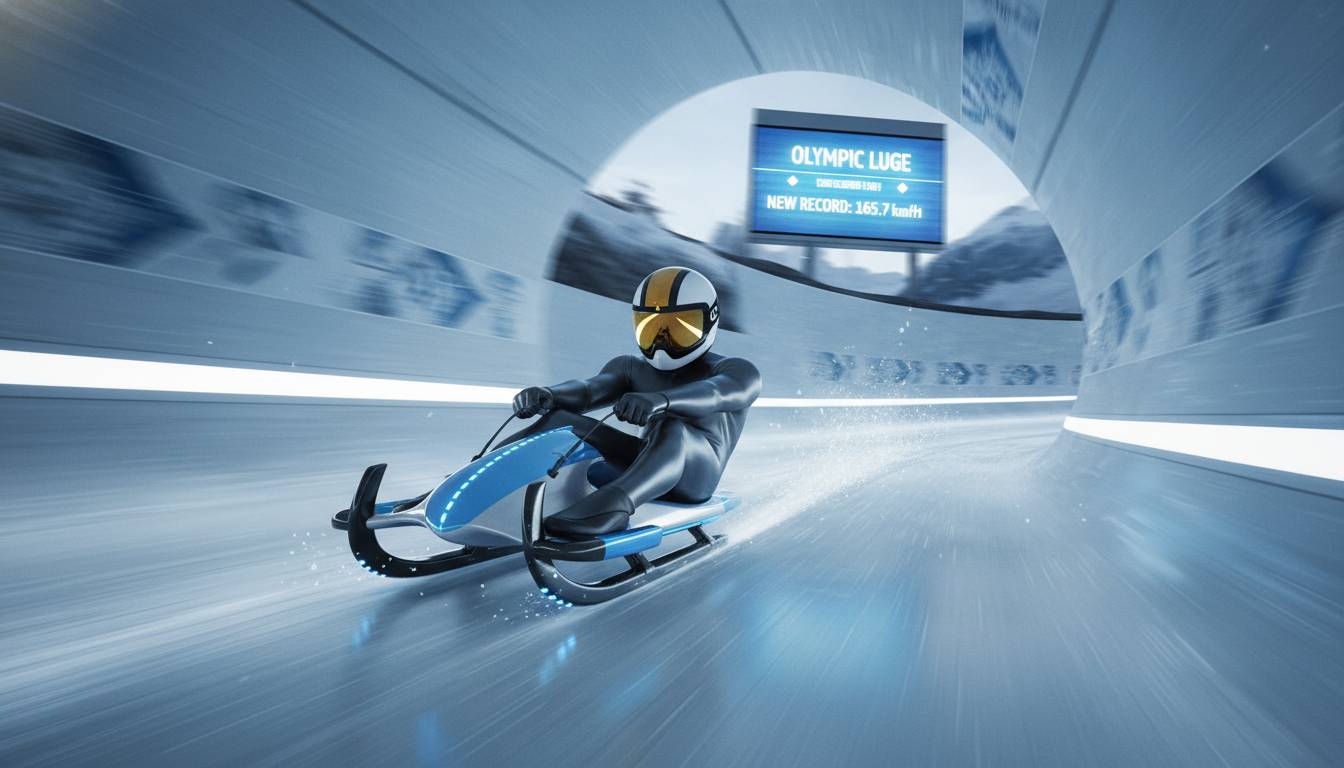
Olympic luge is speeding into a new era, thanks to cutting‑edge sled technology that’s boosting both velocity and control. Athletes are slicing through ice with unprecedented smoothness, thanks to advanced aerodynamics and materials. This breakthrough isn’t just a marginal gain; it’s a leap toward record‑breaking runs and a fresh chapter in winter sports.
The Next Generation of Sled Design
Luge sleds used to be simple and functional. Now, they’re aerodynamic marvels engineered through simulation and wind‑tunnel testing. Streamlined shapes reduce drag, while precision‑machined runners maintain smooth contact with ice. The result? Faster, more consistent starts and straighter, faster courses. These designs come from cutting‑edge engineering and decades of athlete feedback—on ice, in labs, wherever it matters.
Manufacturers now blend lightweight composites with high‑performance metals. Think carbon fiber blends and reinforced alloys—both reducing weight and increasing strength. This balance helps lugers stay nimble and safe, even as they approach speeds north of 90 mph (140 km/h).
Material Alchemy: Stronger, Lighter, Faster
At the heart of this tech revolution lies material science. Modern sleds lean heavily on ultralight carbon fiber cores wrapped in durable yet flexible alloys. This combo cuts weight without sacrificing integrity. Flexible alloys absorb track bumps, while stiff carbon keeps the runners steady and precise.
Beyond material choices, newer sleds are using:
- Nano‑coatings: Ultra‑low friction surfaces that shave fractions off each turn.
- Dynamic tension systems: Internal tweaks that help maintain optimal stiffness as speeds ramp up.
These innovations adapt in real time—so as lugers transition from gentle banked curves to screaming straights, the sled flexes intelligently, cutting edge chaos and channeling speed.
On the Ice: How Athletes Feel the Difference
When you’re hurtling feet‑first down an icy chute at breakneck speed, tiny gains feel huge. Luge athletes consistently report tighter lines, reduced effort on bar flips, and a more intuitive steer. The latest sleds demand less muscle, letting athletes focus more on tactic and precision.
One Olympic hopeful described it like this:
“You almost feel like you’re gliding instead of steering. The sled reads the ice — not the other way around.”
That subtle shift from brute force to finesse is what’s making these machines race beasts.
Testing, Trials, and Tiny Tweaks
Before hitting the real ice, sled prototypes go through months of modeling, virtual simulations, and wind‑tunnel runs. Engineers study airflows at various speeds and positions. They note yaw, pitch, and roll—and they correct even millimeter bumps that might slow a run.
Once on track, data logging gear records every vibration and micro‑adjustment. Engineers and athletes review data the next day, adjust footrests or runner contours, and head back out. It’s an endless feedback loop of small fixes that collectively stretch chunks of time off record boards.
Safety Meets Speed: The Balancing Act
Faster sleds mean higher stakes. Safety has climbed in importance alongside velocity. Think reinforced crush zones near the head, sled frames that can deform selectively to absorb shock, and enhanced crash‑resistant padding.
Helmet tech has evolved too. Helmets now integrate pressure sensors, monitoring impact and giving medics instant feedback. Trackside, real‑time sensors watch temperature and alignment so safety teams can make timely calls.
This isn’t fear‑mongering—it’s a holistic approach. Speed gains are only victory if athletes come home in one piece.
What This Means for the Sport
These sled innovations are sparking shift across the luge world:
- Record times are tumbling—but only where tech adoption is highest.
- Nations with top‑tier R&D labs are pulling ahead.
- Regulations may soon evolve to cap tech arms races, as fairness and accessibility become talking points.
In essence, luge is evolving from a brute‑force game into a refined, tech‑powered skill duel.
Expert Insight from the Lab and Track
“Every tiny material tweak and aerodynamic curve can translate into real time on the leaderboard. It’s not just engineering—it’s the difference between gold and silver.”
That sums it up neatly. Technology is no longer a quiet partner in luge—it’s center stage.
Fast‑Forward: What’s Next?
Looking ahead, researchers are exploring adaptive geometry—sleds whose shapes change mid‑run according to speed and load. Embedding smart materials that subtly morph as forces shift could redefine “controlled speed.”
Sensors are getting lighter and smarter, feeding live data to athletes and coaches. Think performance dashboards that update in real time. Soon, a luger’s coach might be tweaking trajectory from offsite via AI algorithms.
The fusion of materials, aerodynamics, sensors, and AI means luge isn’t just getting faster—it’s learning to get faster while watching its own performance evolve.
Conclusion
Olympic luge is undergoing a quiet revolution. Sleek, smart sleds are driving accelerations that feel almost superhuman. High-tech materials, aerodynamic design, and real-time data are empowering athletes to chase records with precision. Safety is being reshaped too, with every innovation threaded through engineering and ethical responsibility. As technology continues to push the limits, the race to the finish just got a lot more interesting.
FAQs
How fast are modern luge sleds going?
Top runs now approach speeds of 90 miles per hour—or about 140 kilometers per hour. That’s thanks to sleeker design and better materials.
What role do materials play in sled performance?
Huge role: carbon fiber and alloy blends cut weight and boost strength. Nano‐coatings lower friction, while internal tension systems help sled flex on the fly.
Are these high‑tech sleds safe?
Yes. Safety improvements include reinforced frames, crash zones, and smart helmets with impact sensors. Tracks also use live monitoring for risk control.
Could tech create unfair advantage between countries?
Potentially. Nations with strong R&D are advancing faster, so governing bodies may need to introduce tech limits for fair competition.
Is luge headed for smart, ‘shape‑shifting’ sleds?
Very likely. Sensors and adaptive materials are being tested to let sleds morph mid‑run. The next evolution may be self‑adjusting sled geometry during high‑speed curves.